
Training Needs Analysis
Identify strengths and development areas across goals, communication, productivity, conflict, mindset and resilience.
Take the questionnaire


Use these free management training questionnaires to review leadership, communication, time management, stress management, change readiness and workplace skills.
Each questionnaire helps you notice current strengths, development priorities and practical next steps. They are designed for managers, team leaders and professionals who want clearer feedback before choosing training.
Free tools for workplace development
Choose the topic that best matches your current challenge, then use your results to guide better habits, clearer priorities and the right training conversation.
Filter by category
Choose a topic to narrow the questionnaire list.
Identify strengths and development areas across goals, communication, productivity, conflict, mindset and resilience.
Review how well you plan, prioritise, delegate, make decisions and protect productive work time.
Assess how you respond to uncertainty, imposed change, planning, communication and workplace pressure.
Reflect on stress triggers, pressure, habits, health, resilience and practical ways to respond better.
Reflect on planning, focus, memory, meetings, decisions, energy, organisation and workplace productivity.
Explore optimism, confidence, goals, resilience, responsibility and constructive workplace attitude.
Test whether you can distinguish constructive feedback from personal criticism and workplace insults.
Identify thinking habits that shape focus, motivation, decision-making, confidence and behaviour at work.
Reflect on goals, preparation, self-discipline, resilience, criticism, focus and achievement habits.
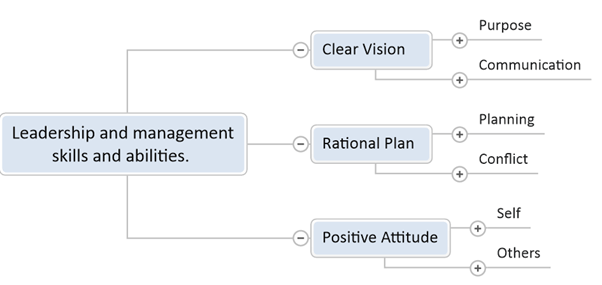
Assess your leadership and management abilities and identify strengths and development areas across six core skill sets.
Discover whether you have the seven leadership qualities: goal focus, communication, planning, conflict handling, motivation, inspiration and decisiveness.
Find out whether your behaviour has a positive influence on the people around you, or whether you may be lowering group morale.
Review the signals you send when meeting people and discover whether you are likely to make a positive first impression.
Assess how effectively your body language supports your message, confidence and communication in everyday situations.
Discover your self-confidence score and reflect on how confidence affects goals, communication, relationships and results.
Review how well you balance work, health, family, friends, recuperation, learning and personal interests.
Take this business fitness questionnaire to measure how ready you are to adapt, perform and succeed in a competitive environment.
Explore how you decide what to believe, whether you rely more on feelings, logic, scepticism or other thinking patterns.
Find out whether your self-talk tends to build confidence and performance, or talk you out of action when challenges appear.
Choosing the right diagnostic
Start with the broadest question: what skill would make the biggest difference to your work right now? If you are unsure, use the Training Needs Analysis first, then follow up with a more specific questionnaire.
Use the Training Needs Analysis to review several management and workplace skill areas at once.
Start with Training Needs AnalysisUse the time management or work habits questionnaires if you feel busy, reactive or poorly organised.
Review time managementUse communication, feedback, change or mindset questionnaires when your results depend on better interaction with others.
Test feedback judgementQuestionnaire FAQ
Answers to common questions about using these free workplace questionnaires and interpreting the results.
Yes. The questionnaires on this page are free to use and give immediate reflective prompts or results without requiring payment.
If you are unsure where to begin, start with the Training Needs Analysis. It covers a broad range of workplace skills and helps you identify which development area deserves attention first.
No. They are practical self-assessment and personal development tools. They are designed to prompt better thinking and useful action, not to diagnose ability, personality or mental health.
They are useful for managers, team leaders, supervisors, professionals and anyone who wants to improve leadership, communication, productivity, resilience and workplace effectiveness.
Yes. A questionnaire can clarify which skill area needs most attention, such as leadership, time management, stress management, communication, change management or personal effectiveness. That makes it easier to choose the most relevant training course.
A training needs analysis questionnaire is a structured self-review that helps identify strengths, skill gaps and development priorities. It is a useful starting point before choosing management training or creating a personal development plan.
No. The questionnaires promoted on this index are designed to be accessible as free online self-assessments. Use them to reflect on your current habits and decide what to improve next.
Yes. Managers and HR teams can use them as discussion starters for appraisals, coaching, training needs analysis and team development. They should be used to encourage constructive reflection, not to label or judge people.
Retake a questionnaire after a period of deliberate practice, training or coaching. A practical interval is usually several weeks or months, so you have enough time to change behaviour and notice whether your answers have shifted.
Turn questionnaire insight into action
A questionnaire is most valuable when it leads to better behaviour. Use your result to choose a practical course, or talk to us if you want help matching a development need to the right training.