






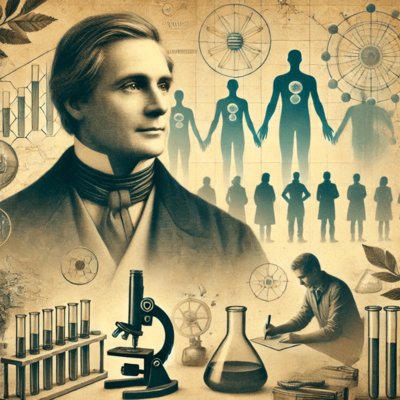
Edward Jenner was the English physician whose work helped establish vaccination against smallpox. His legacy is often linked with evidence, public benefit and practical progress, which is why his name is a useful symbol for leadership development.
This article explains who Edward Jenner was, why his name is linked with leadership training, and what modern managers can learn from his example.
Who was Edward Jenner?
Edward Jenner was born in 1749 and became famous for his work on smallpox vaccination. He noticed that people who had caught cowpox appeared to have protection against smallpox. His careful observation, testing and sharing of results helped open the way for vaccination as a major public health idea.
Jenner's work mattered because it combined curiosity with practical benefit. He did not simply have an idea; he watched the evidence, tested his thinking and helped others use the result.
Why is the Edward Jenner Leadership Programme named after him?
The NHS Leadership Academy uses Edward Jenner's name for a leadership programme because his story connects well with the kind of leadership needed in health and care: evidence-led thinking, courage, responsibility and service to the public.
The name is a reminder that good leadership is not only about having authority. It is about noticing what is happening, learning from evidence, acting responsibly and helping others make progress.
Leadership lessons from Edward Jenner's legacy
- Observe carefully: Good leaders pay attention to facts before making decisions.
- Test ideas: Leaders should be willing to check whether their thinking works in practice.
- Act with courage: Progress often requires a calm willingness to do something new.
- Serve a wider purpose: Strong leadership improves outcomes for other people, not only the leader.
- Share useful learning: Knowledge becomes valuable when it helps others act more effectively.
What does this mean for modern managers?
Modern managers need the same basic habits: clear thinking, evidence, courage, communication and responsibility. Whether someone works in healthcare, education, industry or professional services, leadership improves when people turn good ideas into useful behaviour.
That is why practical leadership training should help managers set clear goals, communicate expectations, handle conflict early, use time well and motivate their teams.
Considering the Edward Jenner Leadership Programme today?
If you are comparing leadership development options, you may also find our Edward Jenner Leadership Programme Alternatives guide useful. It explains when the NHS Edward Jenner programme is a good fit and when a live practical leadership and management course may be more suitable.
You can also view Corporate Coach Group's Leadership and Management Training course if you want a live, practical course for managers, team leaders and supervisors.
Edward Jenner leadership legacy
In leadership development, Edward Jenner's legacy is the use of his story as a symbol of evidence-led progress, courage, responsibility and public benefit. The leadership lesson is that good leaders observe facts, test ideas, act responsibly and share useful learning so others can improve.
CG4D Definition
Context: Leadership development
Genus: Leadership symbol
- Based on jenner's historical work on vaccination
- Connects leadership with evidence and public benefit
- Emphasises practical progress rather than theory alone
- Supports a historical explanation of the nhs programme name
Article Summary
Edward Jenner's leadership legacy is simple: observe the facts, test your ideas, act with courage and share useful learning so other people benefit.