


Corporate Coach Group Logo
Corporate
Coach Group
Coaching, Mentoring and Developing Staff · 1 min read

Giving Effective Feedback

Learn how managers give effective feedback that avoids destructive criticism, boosts staff motivation and drives performance improvement across your workplace.

Chris Farmer, Founder of Corporate Coach Group

“When managers deliver clear, timely and goal-linked feedback-mixing specific praise with constructive points and steering clear of blame-staff feel valued, become four times more engaged and lift performance, while harsh, vague words drain drive and results.”

Chris Farmer — Founder, Corporate Coach Group

Giving Effective Feedback

Giving Effective Feedback

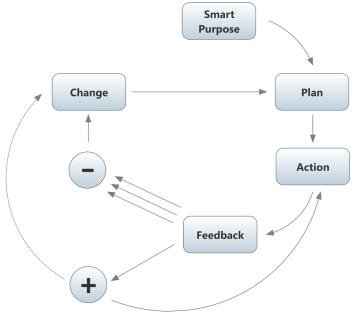
Feedback is the communication of information, relating to a person's recent actions to a specific goal. Giving staff effective feedback is the key to personal and professional development. Feedback can improve motivation by acknowledging effort and results. Effective, consistent feedback by managers can also enhance employee performance and increase efficiency.

This diagram illustrates why feedback is an important concept in professional communication:
Forms of Feedback

There are three types of feedback:

  1. Constructive criticism.
  2. Destructive criticism.
  3. Appreciation and praise.

1. Constructive Criticism

Everyone needs, at sometime, to receive constructive criticism.

Therefore, managers should know how to communicate criticism in a constructive manner, which will inspire and give confidence to the receiver.

Criticism should focus on the performance issue and not the person.

Make the feedback objective and specific and ask for their commitment to change.

Failure to give constructive criticism is a common communication error and some managers resort to giving destructive criticism.

2. Destructive Criticism

It is easy for negative feedback to deteriorate into destructive criticism. Destructive criticism leads to bad feelings, broken relationships and a reduction in performance.

Managers should learn the difference between constructive and destructive criticism and to perfect their communication skills in order to communicate in a constructive and confident manner.

3. Positive feedback

Managers must give proper appreciation, praise and thanks for a job well done. By acknowledging effort and results, staff motivation is increased.

Always remember the power of a few kind words.

Remember that the lack of appreciation is sometimes the cause of a conflict.

Communication Skills Training

If you would like to know more about how to communicate in order to inspire the best performance in others, take a look at this one-day Communication Skills Training Course.

effective feedback

In business management, effective feedback is a process in which a manager gives clear, timely and goal linked comments on a person’s recent work. It is specific rather than vague, focuses on behaviour not the person, comes soon after the event, and mixes helpful advice with honest praise so the receiver can improve.

CG4D Definition

Context: Business management
Genus: Process

  • Communicates clear, factual information about recent actions
  • Links each comment to an agreed goal or standard
  • Delivered soon after the action while memories are fresh
  • Balances constructive guidance with genuine praise to aid improvement

Article Summary

When managers deliver clear, timely and goal-linked feedback-mixing specific praise with constructive points and steering clear of blame-staff feel valued, become four times more engaged and lift performance, while harsh, vague words drain drive and results.

Chris Farmer, Founder of Corporate Coach Group

Written by Chris Farmer

Founder & Lead Trainer, Corporate Coach Group

Chris Farmer is the founder of the Corporate Coach Group and has over 25 years experience designing and delivering leadership and management training across both the public and private sectors. His programmes are structured, practical and built around real-world performance. Read more about Chris and the story of how the Corporate Coach Group was founded.

Get new blogs by email

A new article each week — 5–10 minutes of practical thinking from our lead trainer.

Register Free

Key Statistics

Gallup’s State of the Global Workplace 2023 shows staff who get useful feedback at least once a week are four times more engaged than those who get little or none.

The CIPD Good Work Index 2024 finds that 68% of UK staff say clear, helpful feedback lifts their drive and work level.

Frequently Asked Questions

Common questions about this topic

Effective feedback is clear, specific, goal linked and timely. It mentions behaviour, not character, and offers practical next steps.
Give feedback while memories are fresh, usually within a day or two. Prompt comments feel relevant and speed performance improvement.
Start with the shared goal, describe the behaviour you observed, explain its effect and suggest a clear change. Keep tone calm.
Destructive criticism feels personal, breeds resentment and lowers engagement. Staff lose trust and performance drops, harming team results.
Positive feedback recognises effort and success, making people feel valued. This lift in mood fuels staff motivation and encourages repeat performance.
Open with sincere praise, add one or two constructive points, then end with encouragement. This feedback sandwich balances honesty with support.
Always centre feedback on observable behaviour or results, not personality traits. Behavioural focus keeps comments fair, actionable and less likely to trigger defensiveness.

Thought of something that has not been answered? Ask us today.

Leadership and Management Training

Build resilience and a productive mindset

Our Leadership and Management Training covers exactly these themes; handling pressure, building a productive mindset, and leading with clarity.