







Seven Essential Skills Every Team Needs to Survive Tough Times
Over the last five years, politicians have wrecked the economy. They have reduced growth to a tiny trickle. They have loaded the productive part of the nation with higher costs, higher taxes, and massive obligations, which makes running any organisation far harder than it needs to be.
We now have some of the highest energy costs in Europe. We have ever-increasing taxation. We have rule after rule that punishes profit makers and burdens business owners, which puts pressure on every productive person in the country.
These conditions mean that the people who are in work must operate at the peak of their game. They must be skilled, clear minded, and productive in order to keep their organisations moving forward.
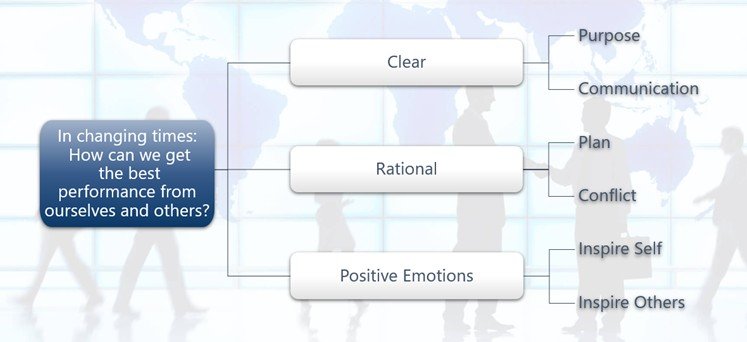
Corporate Coach Training equips people with the skills that increase productivity and improve results. These skills help people improve their own performance and positively influence others, which strengthens the whole team.
We develop seven main skills:
1. Change Management
The world is changing at the fastest speed we have seen in our lifetime. AI is changing the game. We must change and adapt ourselves to new conditions in order to remain effective.
2. Clear Purpose: Setting and Achieving Goals
All organisations and all teams exist to achieve a goal. We must clarify the goal and communicate it to everyone who needs to know, so the team knows exactly what it is working towards.
3. Clear Communication
Communication is gaining mutual understanding without confusion or error. Most people do not speak clearly enough. Most people would benefit from clearer speech and clearer writing, which improves coordination and accuracy.
4. Increased Productivity
Productivity is the name of the game. Without productivity, we have nothing.
Productivity depends on the P-List Activities: Planning, preparation, prioritisation, problem-solving, prevention of avoidable error, proper practice and good protocols. When these P-List Factors are in place, productivity rises and work becomes more efficient.
5. Conflict and Performance Management
People do not always do what they should do. Leaders need constructive criticism as a practical tool. Most people avoid it or give destructive criticism, whereas constructive criticism keeps performance on track.
6. Self-Motivation and Emotional Management
We must manage our own emotions. We need self-confidence, self-motivation, and rational optimism to handle setbacks and disappointments. We need emotional resilience.
7. Inspirational Leadership
The ultimate skill is to inspire others towards shared goals. These goals must be long-range, worthwhile, and valuable. When we develop the first six skills, we are in a strong position to lead others with clarity and purpose.
If you want to develop these skills for yourself or your team, please contact us.
Change Management
In business, change management is the process that spots coming shifts, sets a clear plan, guides people with plain talk and training, and checks results until the new way is steady. Miss any one part and the effort fails; with all four parts, teams adapt fast and keep working well.
CG4D Definition
Context: Business
Genus: Process
- Detects and defines the need for change
- Plans and designs the change steps
- Engages people with clear communication and training
- Reviews outcomes and refines actions until stable
Article Summary
When the economy turns harsh, teams that master change management, clear goals, sharp communication, high productivity, fair performance checks, steady motivation and inspiring leadership not only survive but grow; build these seven skills and every setback becomes a springboard.